
 Sermon Central
-
What Black History Means To Me
Contributed by Pastor Charles Wilkins on Feb 5, 2026 (message contributor)
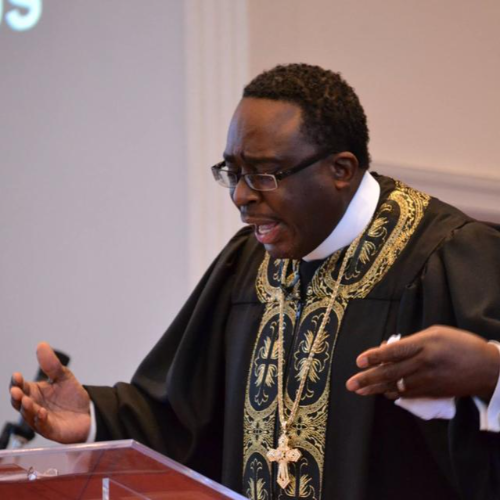
Summary: Black history is not a sidebar in America’s story; it’s a sacred chapter in God’s story. It’s chains breaking while prayers rise, faith whispered in fields, hope sung in spirituals, and courage passed down when tomorrow felt forbidden.
What Black History Means to Me
Theme Scripture:
Psalm 44:1 – “We have heard with our ears, O God, our fathers have told us, what work thou didst in their days, in the times of old.”
As Christians, we have much to consider, learn from, and celebrate during Black History Month. When President Gerald Ford officially recognized Black History Month in 1976, he called us to “seize the opportunity to honor the too-often neglected accomplishments of black Americans.” Black History Month gives Christians a great opportunity to go well beyond just honoring accomplishments. We can examine our human pride, pursue reconciliation and forgiveness, and grow in celebrating God’s good gift of diversity.
Here are three points for this morning sermon that express some of my inner thoughts of Black History. #IbeenThinking
#1 - We recognize the image of God in every person.
So God created mankind in his own image, in the image of God he created them; male and female he created them. - Genesis 1:27
Black History Month is an important time to reflect on the struggles, sacrifices, and accomplishments of African Americans throughout our nation’s history. It is also an important opportunity to recognize the image of God in each and every person, regardless of their background or ethnicity. As Christians, we are called to love our neighbors and treat them with respect, as they were all created in the image of God, and therefore, are all equal in his eyes. We can use this time to examine how we may have contributed to racism and injustice in the past, and how we can work to make our society more equitable and just moving forward.
# 2- We embrace the power of forgiveness.
Forgive us the wrongs we have done, as we forgive the wrongs that others have done to us. Matthew 6:12 (GNT)
The power of forgiveness is key to our faith, and it is especially important to remember during Black History Month. We must forgive those who have wronged us, and ask for forgiveness from those we have wronged. The only way to move forward in a spirit of love and understanding is to work on healing the wounds of our past.
#3 - We celebrate our differences
There before me was a great multitude that no one could count, from every nation, tribe, people and language, standing before the throne and before the Lamb. - Revelation 7:9
Black History Month is not just about recognizing our past, but also about celebrating our differences—differences that will make us a beautiful tapestry when we all stand before Jesus at the end of this age. We can use this time to celebrate the contributions African Americans have made to our society, and to appreciate the beauty and diversity of all cultures. By celebrating our differences, we can create a more inclusive, equitable, and just society for everyone.
What Black History means to me, Is to look back at the impact our Black civil rights leaders and leaders of the Black community have had on our community, organizations and cities. It means celebrating and honoring the legacy these leaders have laid for future generations to follow. It means supporting the advancement of the Black community amidst the racial injustices that continue to happen throughout the U.S. today. It means educating myself further and honoring the fact that we would not be where we are today without the innovative contributions these Black leaders and pioneers have made — and to remind myself daily that Black history cannot be contained to a single month but should celebrated year-round.
For many, Black History is a reminder of everything our ancestors endured and overcame. It is not just a 28-day marathon of reflection, pride and patriotism but it is a lifetime of reflection, pride of being Black in America. It is a declaration of the strength of African American people. And while I am honored by the leaders whose ideologies we reflect upon; I find it hurtful and damaging that we are still too scared to address our scars and how they affect our mental health.
Given that African Americans were enslaved and brought to the U.S. by their oppressors and American colonists, is there not a need to further explore the devastations that African Americans have faced? How do we as a nation digest the fact that those once seen as 3/5 of a person, or even as property, are still in need of healing? How do we address the current oppression, discrimination and wrongful killing of Black people to this day?
We are perceived as strong for we are tenacious, but strength and resilience should not be built solely through suffering.
I have watched many idolize people like George Floyd as if they were martyrs. But they were not martyrs, they were victims who did not have a choice of life or death or even liberty or death. I am sure if you asked their families, they would much rather the continued existence of their loved ones than the admiration that only came after bullet wounds, suffocation, lynching or other hate-filled acts of murder.


